
NRF Manager Shares Liberia’s Road Fund Governance Lessons at ARMFA’s 23rd General Assembly in Nairobi
Trust is a very important component of governance,” she said.
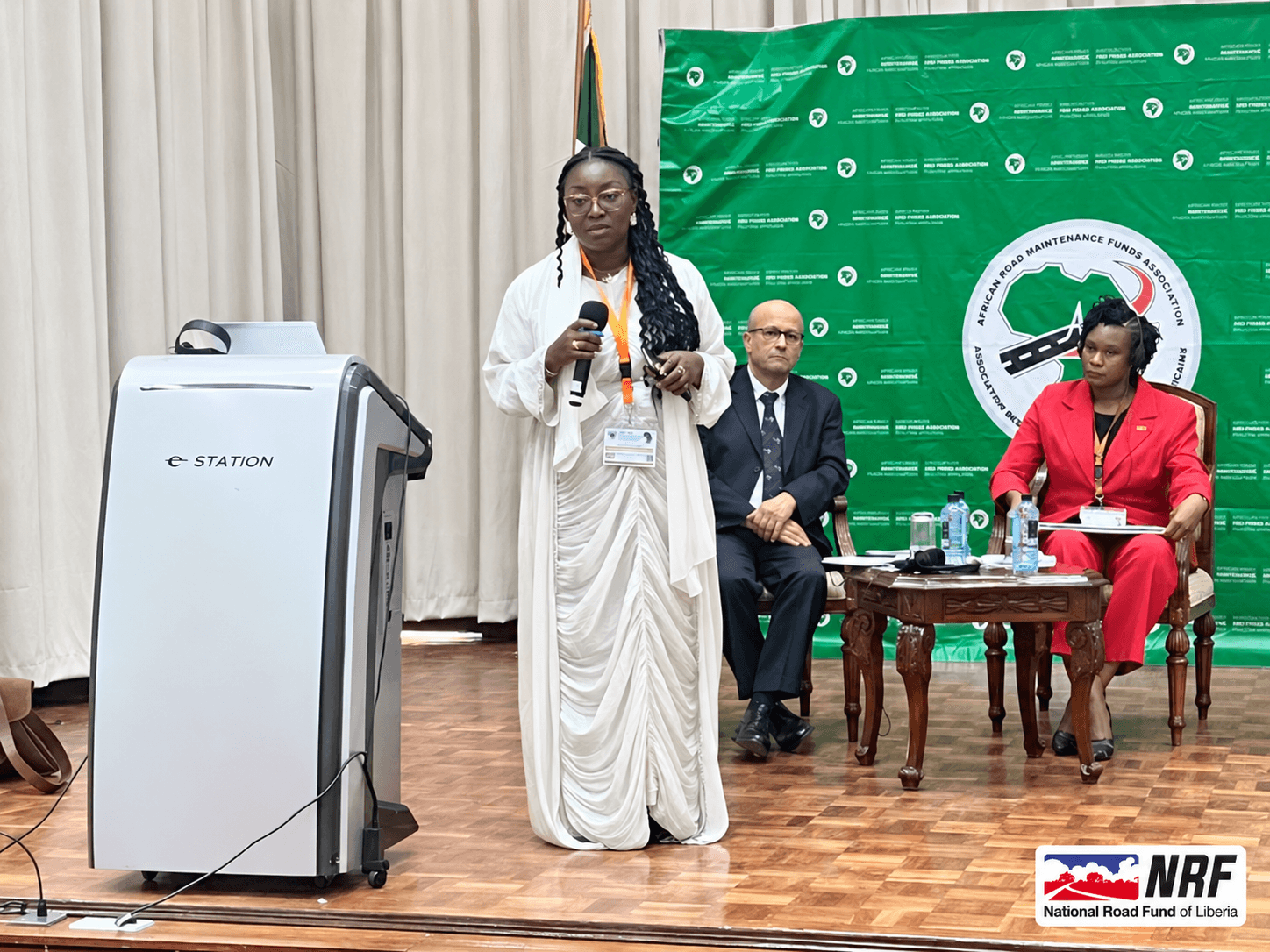
NAIROBI, Kenya, November 24, 2026 — National Road Fund of Liberia Manager, Mrs. Joseta Neufville-Wento, has urged African road fund CEOs to earn public trust through making information on revenue, projects and payments accessible to the people whose contributions finance road infrastructure.
Speaking at the opening session of the African Road Maintenance Funds Association’s 23rd General Assembly in Nairobi, Mrs. Neufville-Wento said CEOs of public resources must be prepared to answer questions about their decisions and demonstrate that funds are being used for their intended purposes.
“Trust is a very important component of governance,” she said.
She told delegates that good intentions alone were insufficient to secure public trust. Citizens, particularly those contributing through petroleum levies, expect to know where their money goes, who receives it and what work is being undertaken on their behalf.
The General Assembly, taking place from November 23–26, is being held under the theme, “Next-Generation Road Maintenance Funds: Continental Financing, Regional Integration and Resilience for a Connected Africa.” It brings together road fund leaders, government representatives and development partners to discuss financing, governance, digitalization and the resilience of Africa’s road networks.
Sharing Liberia’s experience, Mrs. Neufville-Wento outlined measures the NRF is pursuing to strengthen financial oversight, improve access to project information and address delays in contractor payments. She said opening the NRF’s operations to public scrutiny was essential to addressing concerns about the management of road funds.
Among the measures highlighted was the transfer of funds into a dedicated, ring-fenced account. She noted that the arrangement had improved the receipt of revenues intended for road works and strengthened the protection of those resources.
Mrs. Neufville-Wento also informed delegates that technical drafting is ongoing to support changes to the NRF legislation. She described the NRF as operating under a first-generation governance structure while introducing practices associated with more advanced road funds.
The proposed transition, she explained, forms part of efforts to modernize the institution and strengthen its capacity to collect, manage and disburse road financing.
Turning to public access to information, the Manager highlighted an interactive map on the NRF website that presents projects financed by the Fund across Liberia. The platform provides details on contractors, contract values, payments and project locations.
She explained that GPS coordinates allow users to locate the projects, giving citizens a means of relating expenditure to work being undertaken in their communities.
The initiative is intended to make it easier for the public to follow the use of road funds and ask informed questions about project delivery. For an institution managing contributions from road users, she said, providing such access is an important part of its responsibility to the public.
Mrs. Neufville-Wento also highlighted a reporting mechanism through which citizens can draw attention to damaged roads, broken bridges and road safety concerns. Information submitted through the system is accessible to the Ministries of Public Works and Transport to support action within their respective mandates.
She encouraged public participation, noting that citizens can help identify problems that institutions may not have seen. Opening that channel, she explained, means accepting scrutiny and giving communities a role in monitoring conditions on the roads they use.
Contractor payment delays were another major issue addressed in the presentation. Mrs. Neufville-Wento noted that many contractors depend on bank financing and face difficulties meeting their loan obligations when payments for certified work take too long.
She said the NRF has begun tracking documents internally and is developing a broader payment-tracking system that would allow contractors to check the progress of their payment requests.
Under the internal arrangement she described, documents remaining at a processing point beyond 72 hours are flagged for follow-up, with the responsible staff expected to explain any outstanding query or issue.
The system is intended to identify bottlenecks, strengthen responsibility for processing documents and reduce the need for repeated personal follow-ups. Greater visibility, she said, would help contractors understand where their requests stand and improve communication around payments.
In Nairobi, Mrs. Neufville-Wento emphasized the value of sharing practical experiences among member institutions, including challenges that road fund managers face in their respective countries.
She urged her counterparts to use their positions to build institutions that continue to function effectively after their tenure. Public service, she said, provides an opportunity to make a lasting contribution, and the systems established by managers should serve the institution beyond the individuals leading it.
More from NRF News
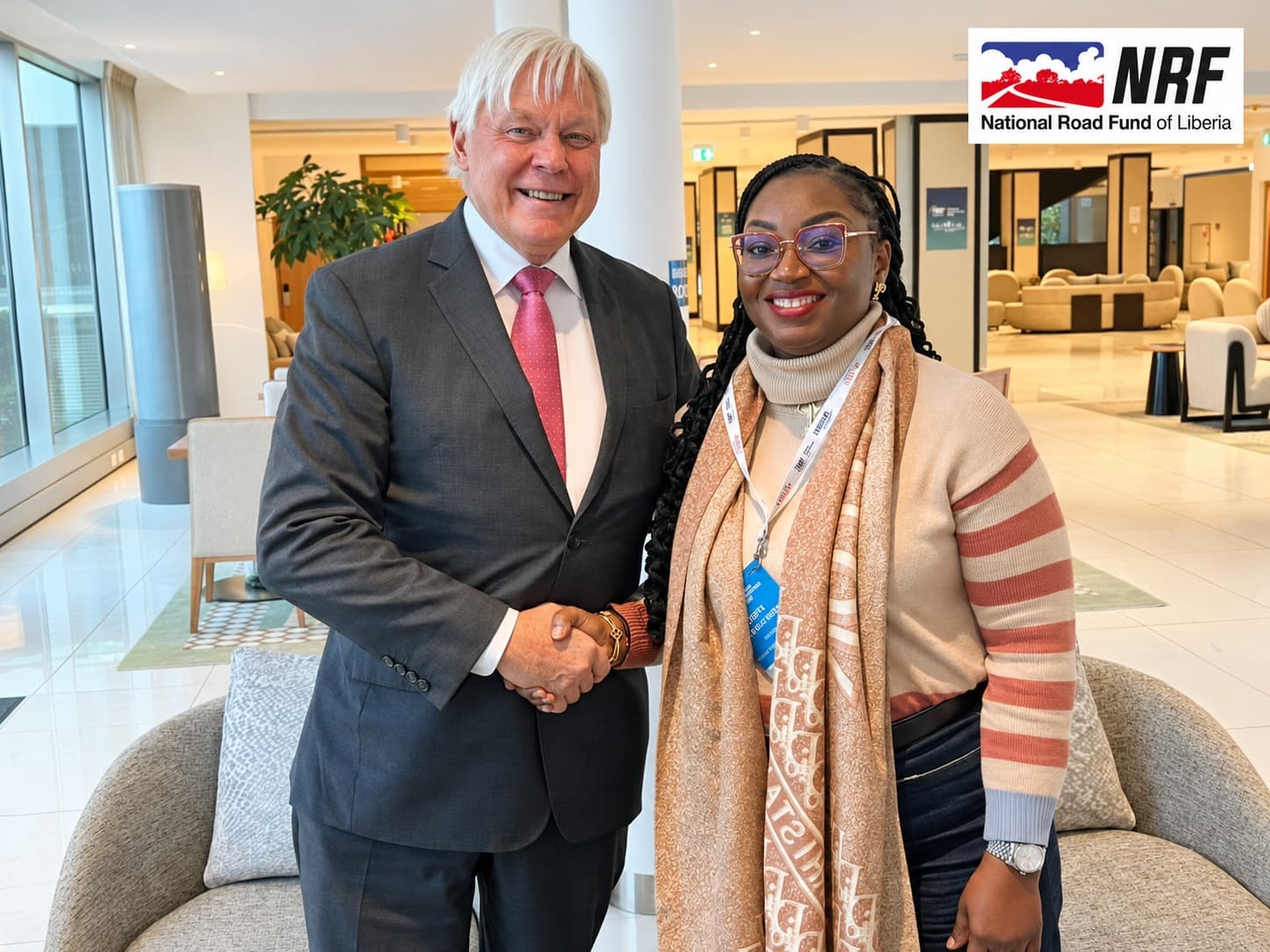
NRF Manager Wraps Up IRF Annual Conference with High-Level Engagement on Road Investment and Jobs
NRF Manager Wraps Up IRF Annual Conference with High-Level Engagement on Road Investment and Jobs
Read article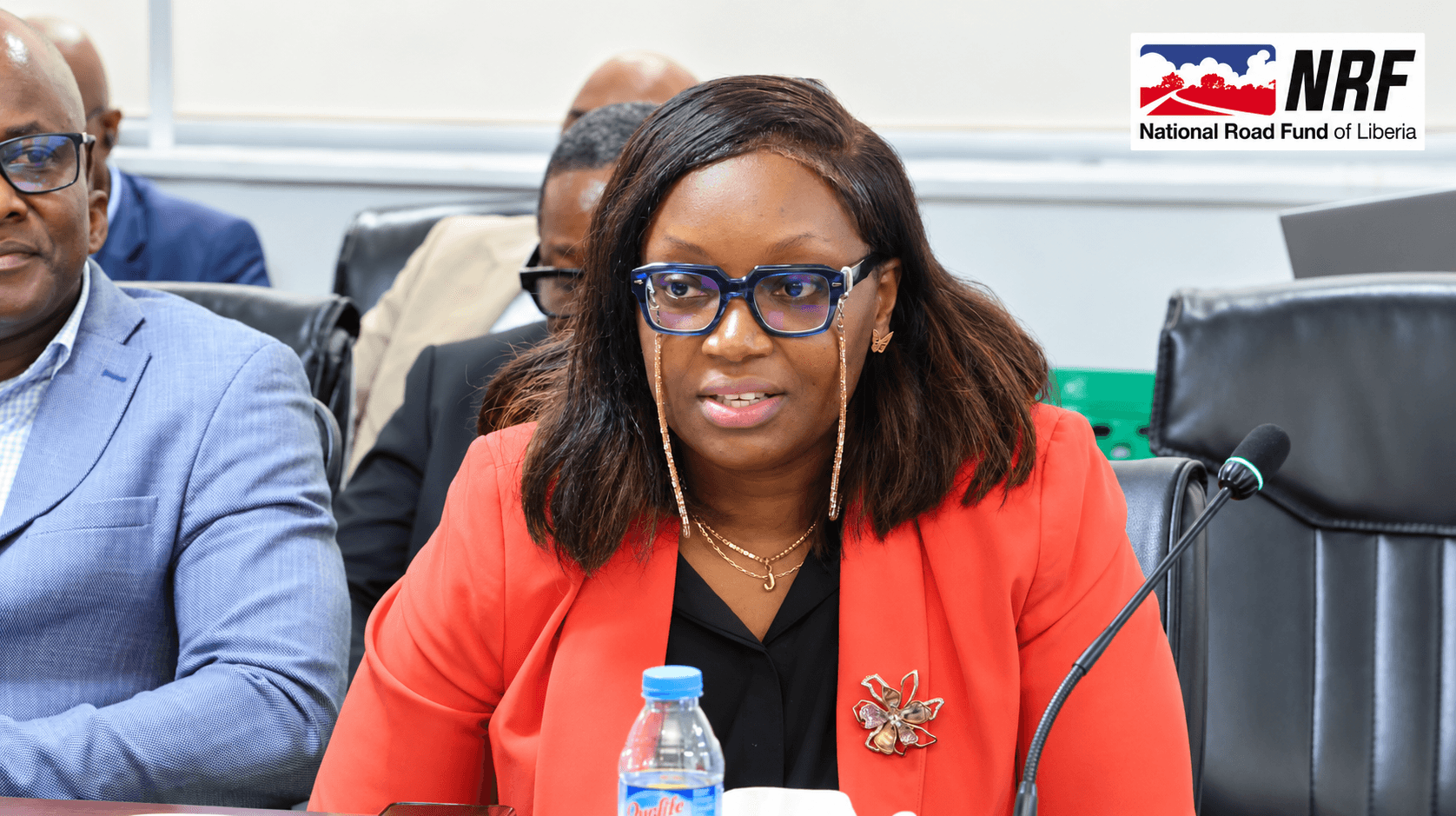
NRF Highlights 2026 achievements, Projects About US$100 Million in Revenue for 2027
NRF Highlights 2026 achievements, Projects About US$100 Million in Revenue for 2027
Read article
IMSC HOLDS THIRD-QUARTER FY2026 MEETING
The Inter-Ministerial Steering Committee (IMSC) holds its Third-Quarter FY2026 meeting, presided over by its Chairman, Hon. Roland L. Giddings, Minister of Public Works. During the meeting, NRF Manager Mrs. Joseta…
Read article